
Tenets
The Principles of Perfection
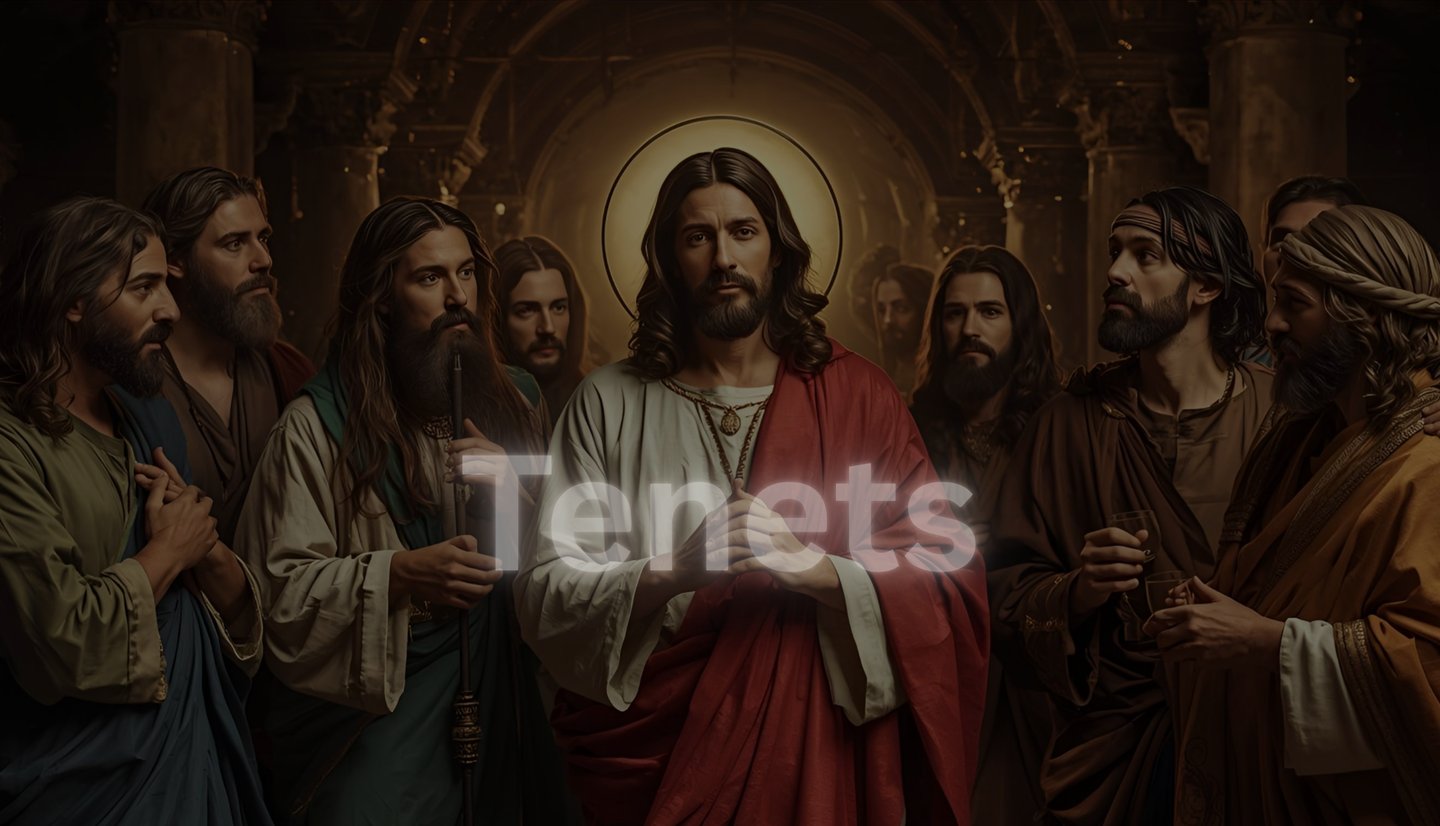
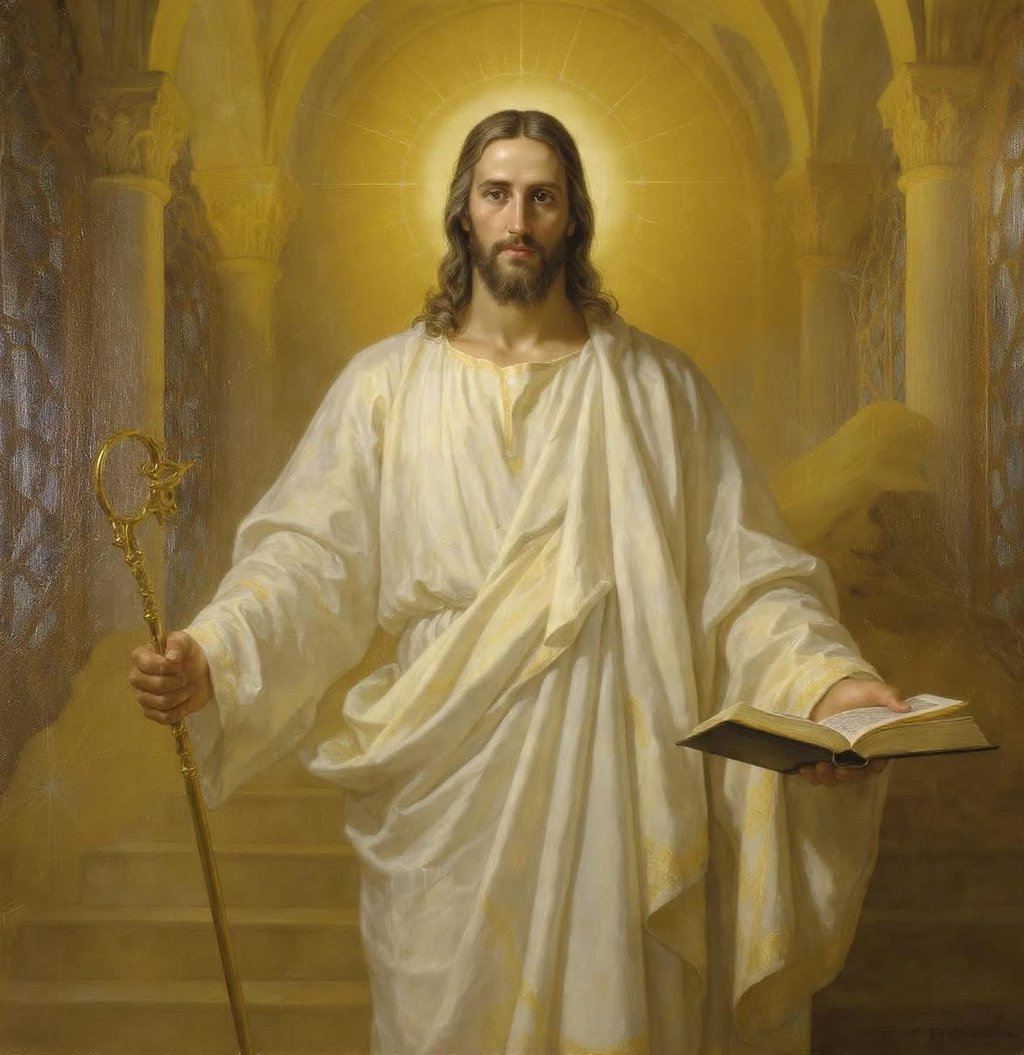
"Priest" The Biblical Definition
Tenets of the Gospel
In the context of the Holy Bible, the term "priest" carries rich significance and has evolved through the span of biblical history. For visitors of myGospelHome.org, it is important to explore both the Old and New Testament perspectives to grasp the fullness of this role.
The Old Testament Priesthood
In the Old Testament, priests were appointed to serve as mediators between God and the people of Israel. The primary responsibilities of the priests included offering sacrifices, conducting rituals, and teaching the Law. The Levitical priesthood, descended from Aaron, the brother of Moses, formed the foundation of this sacred office. Their duties were defined in detail in books like Exodus, Leviticus, and Numbers.
Sacrificial System
The priests played a pivotal role in the sacrificial system, where animals were offered as atonement for the sins of the people. This act was seen as essential for maintaining a right relationship with God.
Ritual Purity
Priests were required to adhere to strict guidelines regarding purity and holiness, symbolizing the need for a clean heart when approaching God. This can be seen in their restrictions about dietary laws and their participation in certain activities.
The New Testament Perspective
As the New Testament unfolds, the role of the priest undergoes significant transformation. With the coming of Jesus Christ, the sacrificial system and the Levitical priesthood find fulfillment in His ultimate sacrifice on the cross.
Jesus as High Priest
The Book of Hebrews presents Jesus as the new High Priest who surpasses the old order. Unlike the Levitical priests who offered sacrifices repeatedly, Jesus offered Himself once and for all, providing eternal redemption for those who believe. This shift emphasizes the personal relationship believers can have with God, as they can now approach Him directly through Christ.
The Priesthood of All Believers
Furthermore, the New Testament introduces the concept of the "priesthood of all believers." This means that all Christians are called to serve in a royal priesthood, as articulated in 1 Peter 2:9. Each believer has the responsibility to share the message of the gospel, pray for others, and live in a way that honors God.
In summary, the role of a priest in the Holy Bible is multifaceted, evolving from a formal, sacrificial mediator under the Old Covenant to a relational, communal function in the New Covenant through Jesus Christ. Understanding this progression enriches our comprehension of God’s desire for a personal relationship with His people. For visitors to myGospelHome.org, reflecting on the significance of the priesthood can deepen one’s faith and engagement with biblical teachings.
Jesus Christ is our Highest Priest
"The Perfection of the Priest"
Hebrews 5
1) For every high priest taken from among men is ordained for men in things pertaining to God, that he may offer both gifts and sacrifices for sins:
2) Who can have compassion on the ignorant, and on them that are out of the way; for that he himself also is compassed with infirmity.)
3) And by reason hereof he ought, as for the people, so also for himself, to offer for sins.
4) And no man taketh this honour unto himself, but he that is called of God, as was Aaron.
5) So also Christ glorified not himself to be made an high priest; but he that said unto him, Thou art my Son, to day have I begotten thee.
6) As he saith also in another place, Thou art a priest for ever after the order of Melchisedec.
7) Who in the days of his flesh, when he had offered up prayers and supplications with strong crying and tears unto him that was able to save him from death, and was heard in that he feared;)
8) Though he were a Son, yet learned he obedience by the things which he suffered;
9) And being made perfect, he became the author of eternal salvation unto all them that obey him;
10) Called of God an high priest after the order of Melchisedec.
11) Of whom we have many things to say, and hard to be uttered, seeing ye are dull of hearing.
12) For when for the time ye ought to be teachers, ye have need that one teach you again which be the first principles of the oracles of God; and are become such as have need of milk, and not of strong meat.
13) For every one that useth milk is unskilful in the word of righteousness: for he is a babe.
14) But strong meat belongeth to them that are of full age, even those who by reason of use have their senses exercised to discern both good and evil.
Connect
Need help with anything?
Email me
Resources
Subscribe
myGoseplHome © 2026. All rights reserved.