
Forbidden Books
Learn the Forbidden Books of Holy Scriptues
What are the Forbidden Books of the Holy Bible?
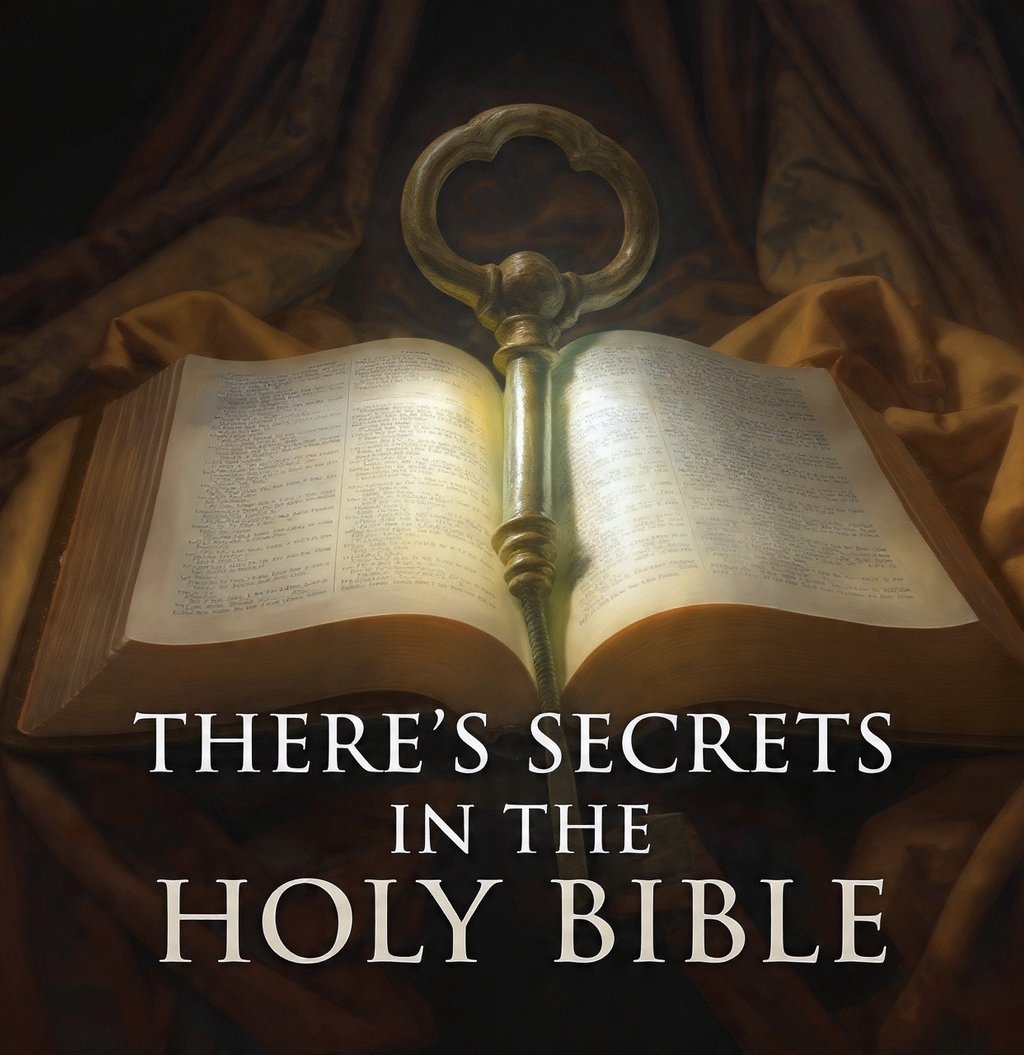
For visitors of myGospelHome.org, understanding the concept of the "Forbidden Books" of the Holy Bible can be an intriguing journey into the history and development of biblical texts. Throughout history, certain writings have been excluded from the biblical canon, often sparking debates about their content, authenticity, and relevance.
The Canonical Bible and the Apocrypha
The Christian biblical canon is divided into the Old Testament and the New Testament. While the Protestant version generally includes 66 books, some denominations, such as the Catholic Church and the Eastern Orthodox Church, include additional texts known as the Apocrypha. These books, such as Tobit, Judith, Wisdom, and Sirach, are considered canonical by some traditions but have been excluded from others.
Gnostic Texts and Other Exclusions
Apart from the Apocrypha, there are numerous other writings, often categorized under Gnostic texts or other early Christian literature, that have faced exclusion from the Bible due to their differing theological perspectives. Texts such as the Gospel of Thomas, the Gospel of Mary, and the Shepherd of Hermas delve into ideas that were deemed inconsistent with orthodox Christian beliefs of the time. Many of these texts were labeled as heretical by early church leaders.
3 Reasons for Exclusion
The reasons for a text being labeled as "forbidden" or excluded from the Bible often include:
1. Theological Discrepancies: Many texts were considered to conflict with core Christian doctrines.
2. Authorship Questions: Attributing a text to an apostle or early church figure was crucial for its inclusion, and many forbidden texts lacked credible authorship.
3. Historical Context: The contextual relevance during the formation of the canon played a significant role in the acceptance or rejection of certain writings.
The concept of forbidden books invites believers and scholars alike to explore the depth of early Christian history and the diverse interpretations of faith that existed. While some writings may be considered forbidden, they offer valuable insights into the beliefs and practices of early Christian communities. For those interested in a deeper understanding, examining these texts can lead to richer discussions about faith, scripture, and the evolving nature of religious doctrine.
Feel free to explore the resources on myGospelHome.org for more in-depth studies and discussions on biblical texts and their significance.
Connect
Need help with anything?
Email me
Resources
Subscribe
myGoseplHome © 2026. All rights reserved.