
Seven
The Number Seven in the Holy Bible.


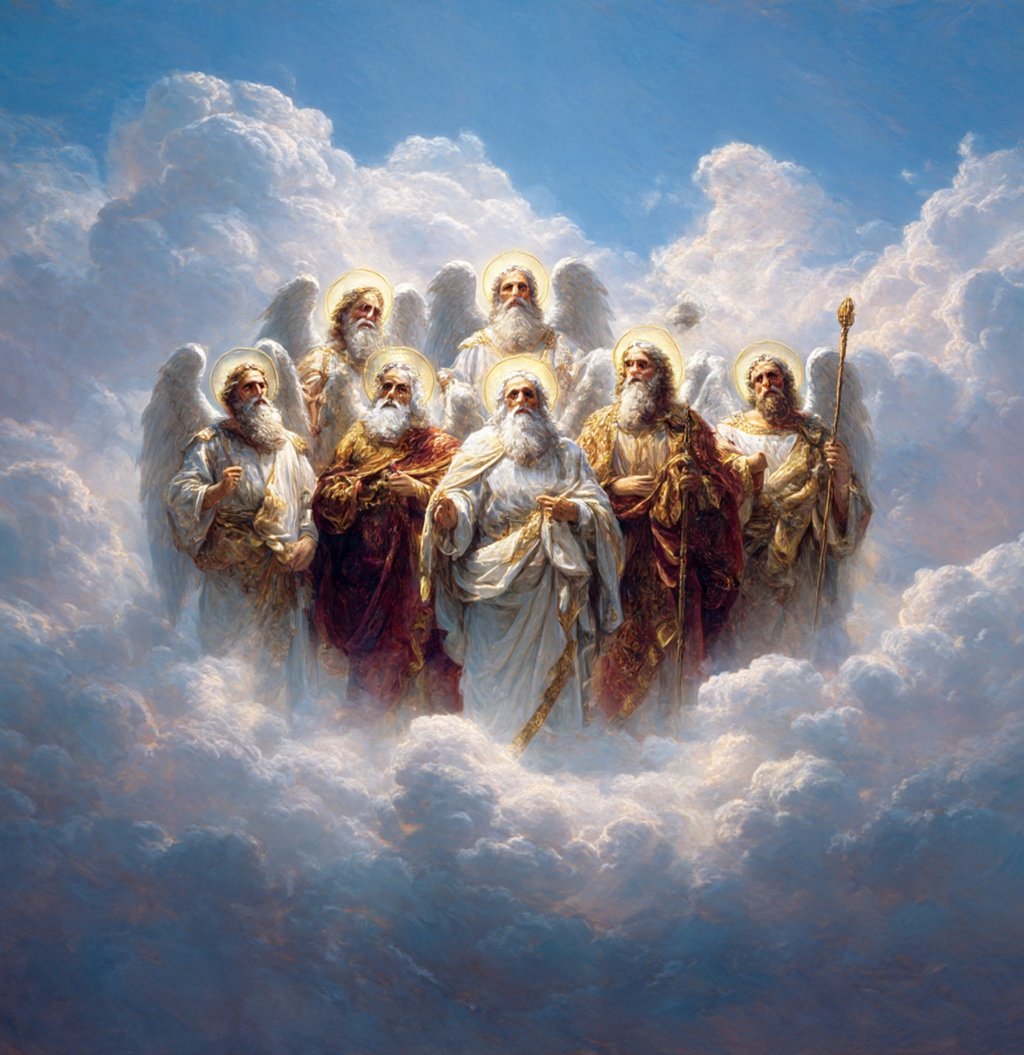

Seven Arch Angels
The concept of archangels holds a significant place in Christian theology and is often discussed among those exploring the deeper meanings of the Bible. For visitors of myGoselHome.org seeking to understand these celestial beings, we delve into the Seven Archangels mentioned across various texts.
Who Are the Seven Archangels?
While the Bible explicitly identifies only a few archangels, various traditions within Christianity have expanded this list. The most commonly recognized archangels are:
1. Michael - Frequently depicted as a warrior angel, Michael is known for his role in the Book of Revelation, where he leads the heavenly armies against the forces of evil. He is often regarded as a protector of God’s people.
2. Gabriel - Known as a messenger, Gabriel plays a crucial role in delivering important messages, such as the Annunciation to Mary regarding the birth of Jesus. His name means "God is my strength."
3. Raphael - Recognized primarily from the Book of Tobit, Raphael is associated with healing and guidance. His name translates to "God heals," highlighting his role in bringing physical and spiritual healing.
4. Uriel - Though not explicitly named in the canonical Bible, Uriel appears in apocryphal texts and is often associated with wisdom and enlightenment. His name means "Light of God."
5. Raguel - Another archangel found in various texts, Raguel is seen as the angel of justice, fairness, and harmony. His role includes overseeing the other angels and ensuring order in the heavenly realm.
6. Remiel - Mentioned in the Book of Enoch, Remiel is described as an archangel responsible for resurrection and is often linked to mercy.
7. Sariel - Also mentioned in Enoch, Sariel is thought to be an angel of guidance, helping to carry out God's will on Earth.
The Seven Archangels embody various aspects of divine intervention, protection, and guidance within the Scriptures and broader theological conversations. While beliefs may vary across denominations and interpretations, they remain integral figures in the landscape of Christian angelology. Understanding these archangels can deepen one’s spiritual journey and connection to the divine.
Seven Heavenly Virtues
The Seven Heavenly Virtues, deeply rooted in Christian teachings, serve as a guide for moral living and spiritual growth. These virtues are often seen as a counterbalance to the Seven Deadly Sins, promoting a life of goodness, integrity, and faith. Understanding these virtues can enrich your spiritual journey and help cultivate a sense of purpose.
1. Chastity: This virtue emphasizes purity of heart and body. It encourages individuals to lead a life of fidelity and self-control, respecting themselves and others in their relationships.
2. Temperance: Temperance is about self-discipline and moderation. It teaches the importance of balance, encouraging individuals to enjoy the good things in life while avoiding excess.
3. Charity: Often regarded as the highest virtue, charity represents selfless love and compassion for others. It calls believers to help those in need, embodying kindness and generosity in everyday actions.
4. Diligence: This virtue promotes a strong work ethic and persistence. It encourages individuals to work hard, remain focused on their goals, and strive for excellence in their endeavors.
5. Patience: Patience teaches the value of enduring difficult situations with grace and understanding. It calls for a calm disposition, allowing individuals to respond thoughtfully rather than react impulsively.
6. Kindness: Kindness involves treating others with compassion and understanding. This virtue emphasizes the importance of empathy and encourages a spirit of goodwill towards all.
7. Humility: Humility is the virtue that reminds us of our limitations and the importance of valuing others. It encourages a modest view of one's own importance, fostering an environment of respect and honesty.
The Seven Heavenly Virtues guide believers in their daily lives, encouraging them to embody these principles in both thought and action. By striving to incorporate these virtues into our lives, we not only grow in personal character but also contribute positively to our communities and society at large.
Proverbs 24:16
"For a just man falleth seven times, and riseth up again: but the wicked shall fall into mischief."
(KJV)
Virtues in the Holy Bible
For our visitors at myGospelHome.org, understanding the virtues outlined in the Holy Bible can provide profound insights into the character and values that believers are encouraged to cultivate. These virtues serve as moral guidelines and reflect the nature of God. Below are some of the key virtues mentioned in Scripture, along with their significance.
1. Love
The greatest commandment, as noted in Matthew 22:37-39, emphasizes the importance of love. Believers are called to love God wholeheartedly and to love their neighbors as themselves. This unconditional love serves as the foundation for all other virtues.
2. Faith
Faith is a cornerstone of Christian belief, highlighted in Hebrews 11:1 as "the substance of things hoped for, the evidence of things not seen." It represents trust in God's promises and His character, enabling believers to navigate life's challenges with confidence.
3. Hope
Hope, as described in Romans 15:13, is a vital virtue that instills joy and peace. It encourages believers to look forward to the fulfillment of God’s promises, fostering resilience during difficult times.
4. Humility
Humility is essential for a Christian's spiritual growth, as expressed in Philippians 2:3-4, where believers are called to consider others more significant than themselves. This virtue fosters community and genuine relationships.
5. Patience
The virtue of patience is central to enduring trials and tribulations. James 1:2-4 teaches that trials test faith and produce perseverance, making patience a valuable characteristic in the life of a believer.
6. Kindness
Kindness is a reflective quality of God's character and is highlighted in Galatians 5:22-23 as part of the fruit of the Spirit. It encourages believers to treat others with compassion and gentleness.
7. Self-Control
Self-control, mentioned in Proverbs 25:28, is crucial for maintaining discipline and resisting temptation. It allows believers to govern their actions and reactions in alignment with God's will.
8. Generosity
Generosity is celebrated throughout the Bible, particularly in 2 Corinthians 9:7, where believers are encouraged to give cheerfully. This virtue signifies a willingness to share one's resources with those in need.
9. Forgiveness
Forgiveness, as taught in Matthew 6:14-15, is vital for maintaining healthy relationships and reflecting Christ’s love. It releases bitterness and fosters reconciliation, demonstrating God's mercy.
10. Peace
Peace is a promised virtue that believers are called to strive for, as highlighted in Philippians 4:6-7. It is the tranquility that comes from trusting God and can be shared with others.
Each of these virtues provides a framework for living a life that honors God and reflects His nature. By embodying these virtues, believers can contribute positively to their communities and strengthen their faith.
Explore more about spiritual entities and biblical teachings at myGoselHome.org.
Connect
Need help with anything?
Email me
Resources
Subscribe
myGoseplHome © 2026. All rights reserved.